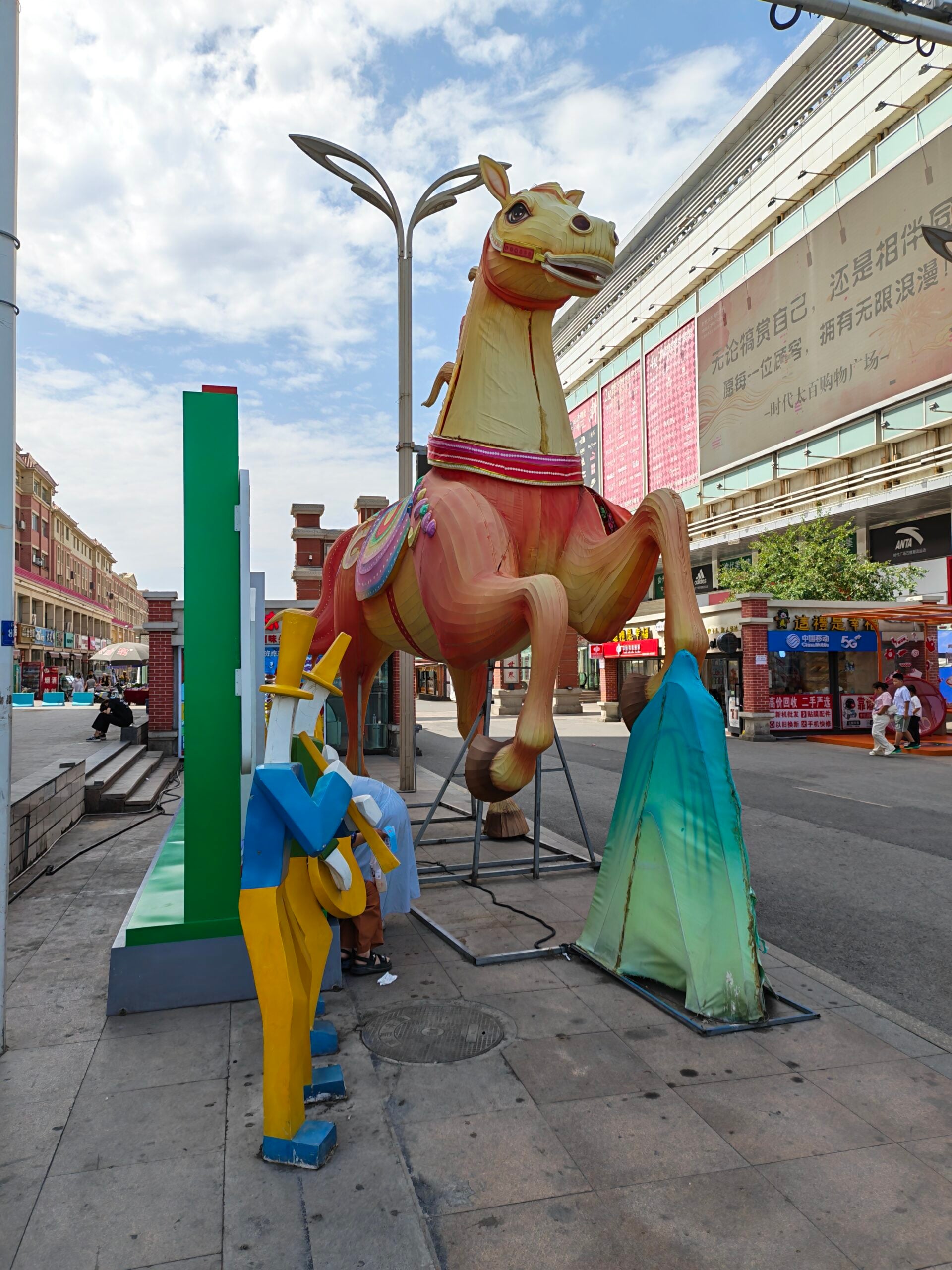
Amir&Jeff’s Excellent China Adventure Series. 2026: Xinjiang Province Red Tour. Photos and commentary. The REAL Chinese people you do not know!
Amir&Jeff’s Excellent China Adventure Series. 2025: Hunan, Jiangxi, Fujian and Shaanxi Provinces’ Red Tour. Short videos with transcripts, captioned photos, articles and commentary. The REAL Chinese people you don’t know!
https://radiosinoland.com/2025/07/27/amirjeffs-excellent-china-adventure-series-2025-hunan-jiangxi-fujian-and-shaanxi-provinces-red-tour-short-videos-captioned-photos-articles-and-commentary-the-real-chinese-people-you-don/
Short intro to Xinjiang by Jeff

Xinjiang is huge, 17% of the country’s landmass, 1.66 million square kilometers (China total land area = 9.6 million), which is three times the size of France, or bigger than Alaska in North America. It is mostly desert, mountains, basins and high plateaus, with a few beautiful lakes. Weather is harsh here. When we arrived on 5 August, the temperature was 41 degrees. In the winter, it can drop to minus twenty.
For our one-month Red Tour adventure in Xinjiang, we will get a far west as Aksu and as far south as Korla. It is already starting out as an amazing lunar cycle.
The Uyghur people in China are members of the Turkic language group, of which there are many derivatives, starting in Turkey, of course, and there’s a swath going from there to the east through South Central Asia. They are, at varying degrees, mutually understood, from 0 to maybe 75%, depending on the dialect. For example, Turkish and Uyghur are 30% mutually comprehensible.
So Uyghurs are, in fact, Turkic people.
Xinjiang’s population is 26 million, 58% Muslim. The capital is Urumuqi. It has four million residents. Hami has 670,000 citizens. Shihezi, Karamay, Korla and Aksu are other cities we are visiting each have about 500,000 souls.
West to east, Xinjiang has common international borders with Pakistan, Tajikistan, Afghanistan, Kyrgyzstan, Kazakhstan, Russia and Mongolia. Internally, it borders the provinces of Gansu, Qinghai and Tibet, north to south. It is now a hugely important nexus in Asia’s Belt and Road Initiative (BRI), connecting the rest of China with the rest of Mackinder’s Heartland. On that note,
Jeff J. Brown comments on Sputnik News- Putin: China’s Belt and Road Initiative ‘in Sync With Russia’s Ideas on Large Eurasian Space’. China Rising Radio Sinoland 231027
Not only industry and commerce, Xinjiang is a massive producer of high value crops, including a huge variety of fruits, vegetables and cotton. We see lush, green fields and orchards stretching kilometer after kilometer, thanks to one of the biggest water canal and irrigation systems in the world, starting in the Altai Mountains, over 400km away. The BRI has made it possible to ship large quantities of this produce all over Asia.
Jeff’s comments and Amir’s photos
Amir and I are incredibly impressed with the smaller cities in Xinjiang so far.
We have been to Hami, which is the gateway in the eastern part of the province. We’ve been to Shihezi and Karamay, as well as the capital, Urumuqi (see the map above).
Urumuqi has around four million people. The three small cities that we visited so far all have around 500 to 600,000. There are there, but it’s hard to find Chinese cities with less than this population. Amir, Evelyne and I have been to several in previous trips.
Before Amir and I head back home to Changsha and Kunming, respectively, on the other side China, we will also visit Korla, Yining and Aksu, which, coincidentally, also each have about a half a million residents.
Where we are is way out in the boondocks of China!
The three smaller towns that we have visited so far are incredibly safe, clean and well-organized; they have all the amenities that you would ever need: public parks and greenery everywhere, hospitals, clinics, supermarkets, excellent public bus systems, museums/monuments, restaurants for every budget, shops galore, universities and more schools than you can count. Taxis are super cheap, so it’s easy to get around on excellent roads, bridges and overpasses. They are all connected to Urumuqi by fast trains and have airports that connect them to the rest of China (Amir and I flew from Changsha to Hami to launch our one-month adventure).
Xinjiang’s cities are just as developed, modern and pleasing to be in, as all the other cities Amir, Evelyne and I have been to.
It just goes to show you the lengths that Baba Beijing goes to make the lives of people in China as pleasant and as comfortable and as safe and as prosperous as possible.
It’s called Communism-Socialism-Confucism-Daoism-Buddhism and in the case of Xinjiang, the citizens have the XPCC to thank for the infrastructural foundation,
Amir&Jeff’s Excellent China Adventure #43: China’s military reclamation and border defense system “XPCC” has transformed Xinjiang into an agricultural, economic and developmental powerhouse. Amir sounds off on what it all means. With 17 photos.
Chinese Muslims are the luckiest in the world. No Judeo-terrorism, no forever Talmud-Tanakh wars, just peace, prosperity and social harmony.
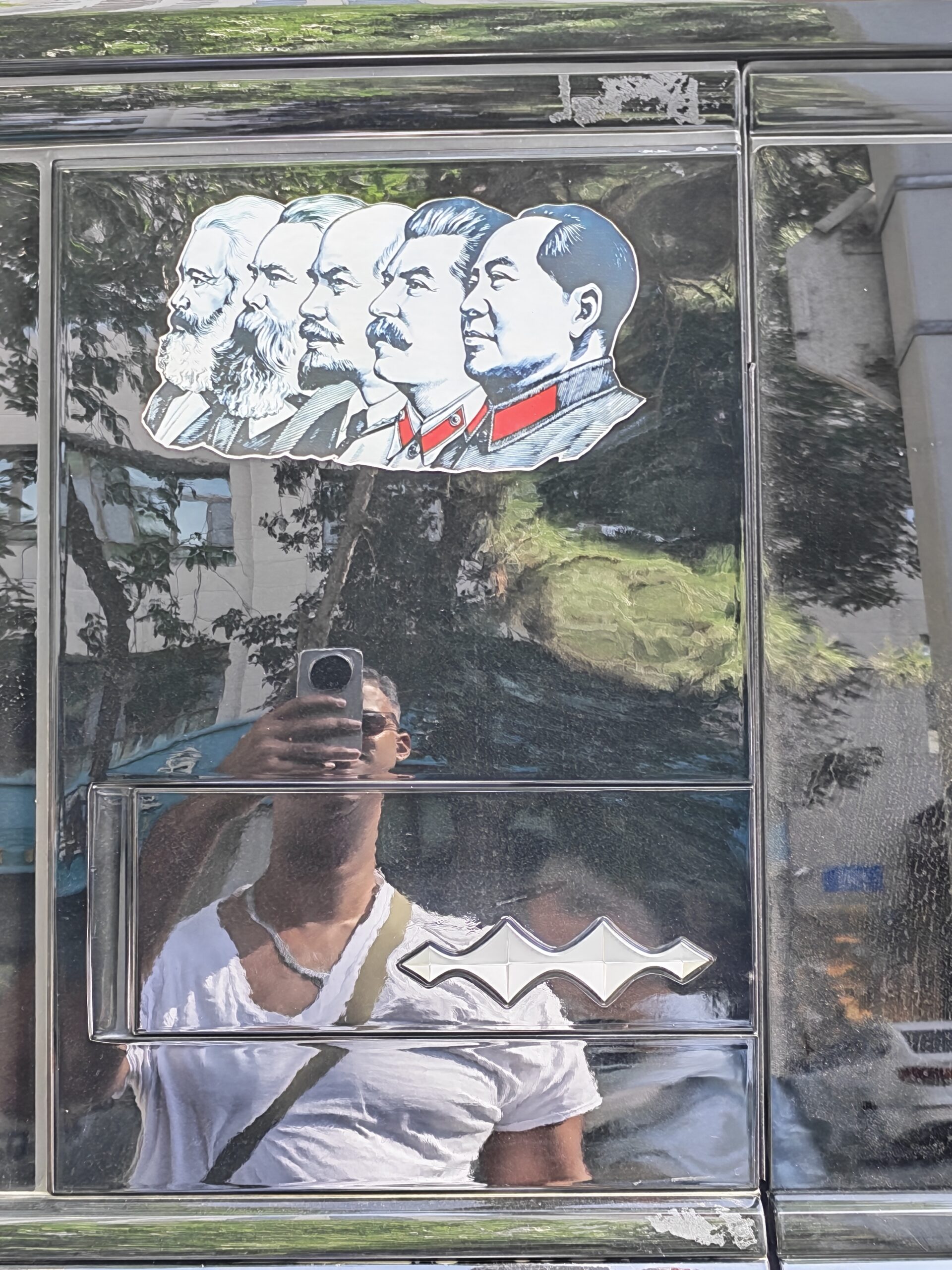
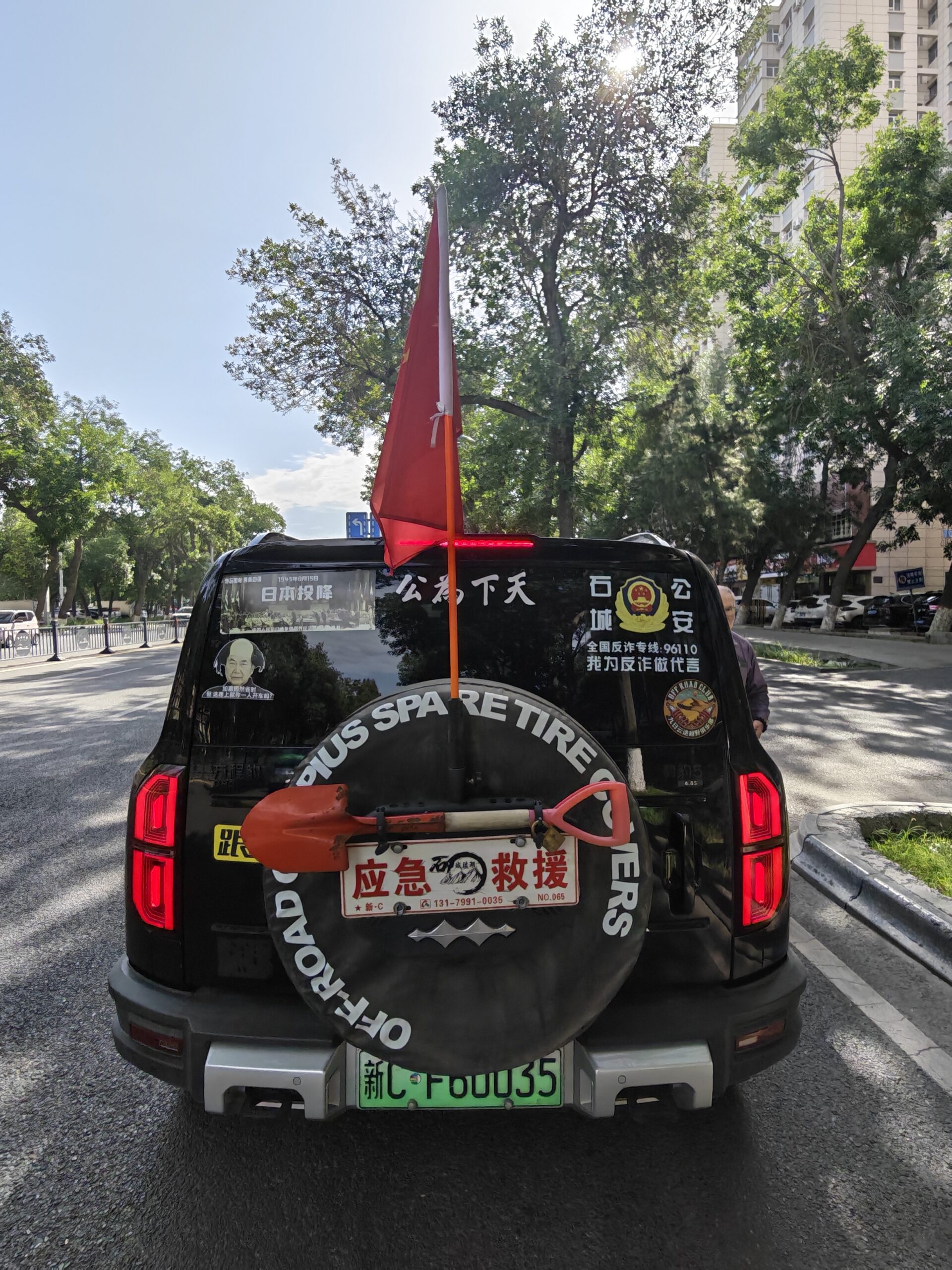
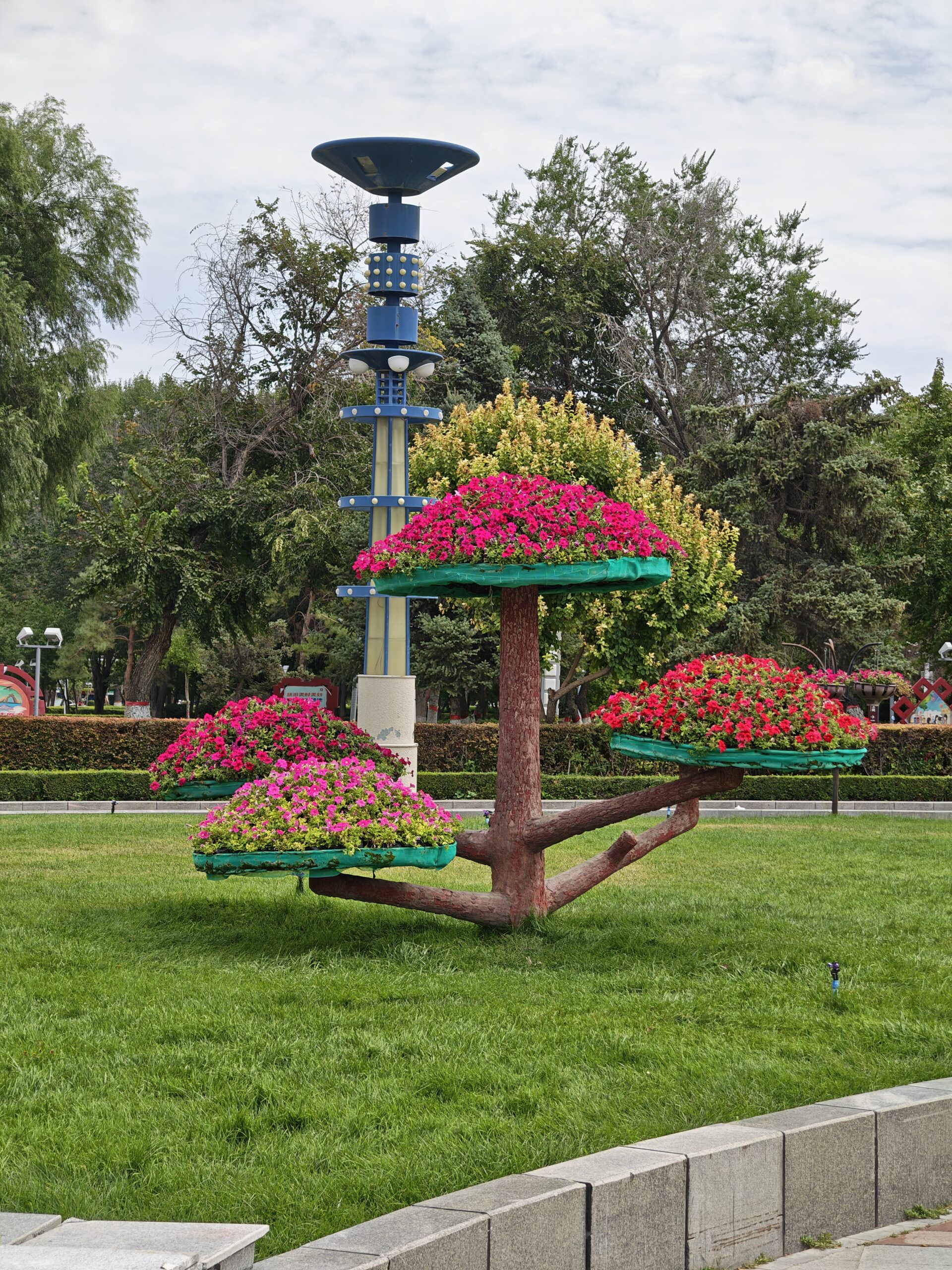
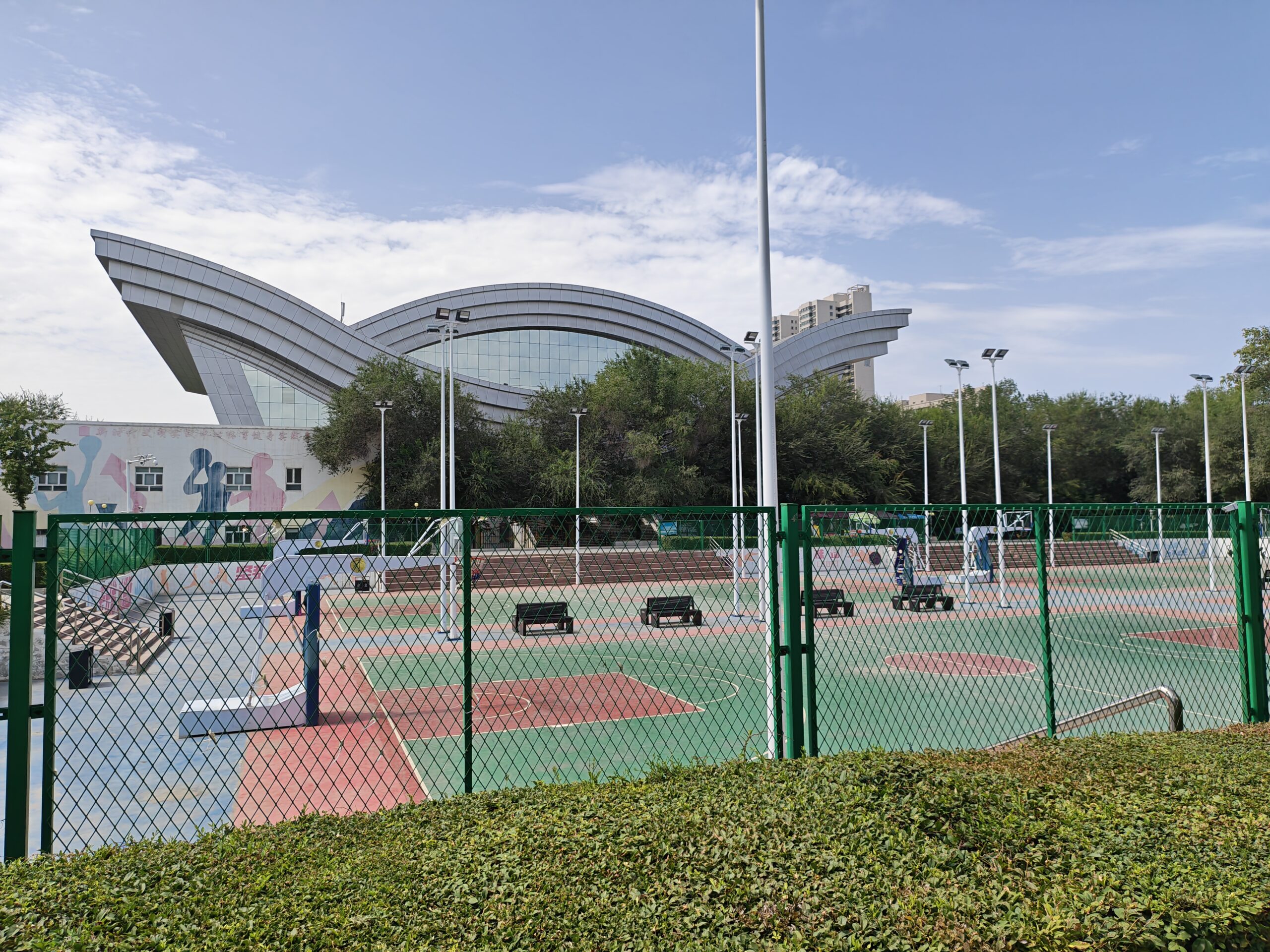
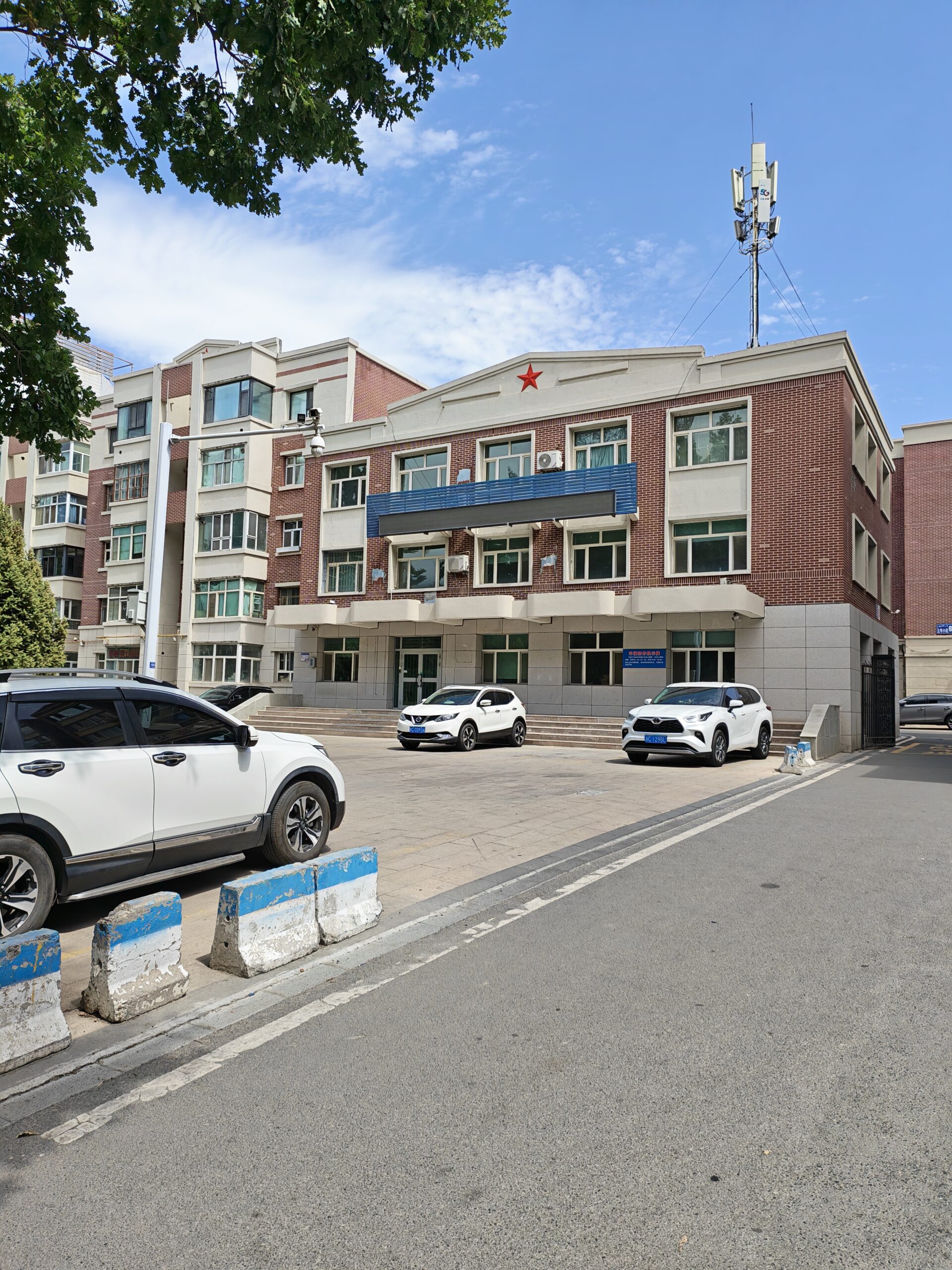
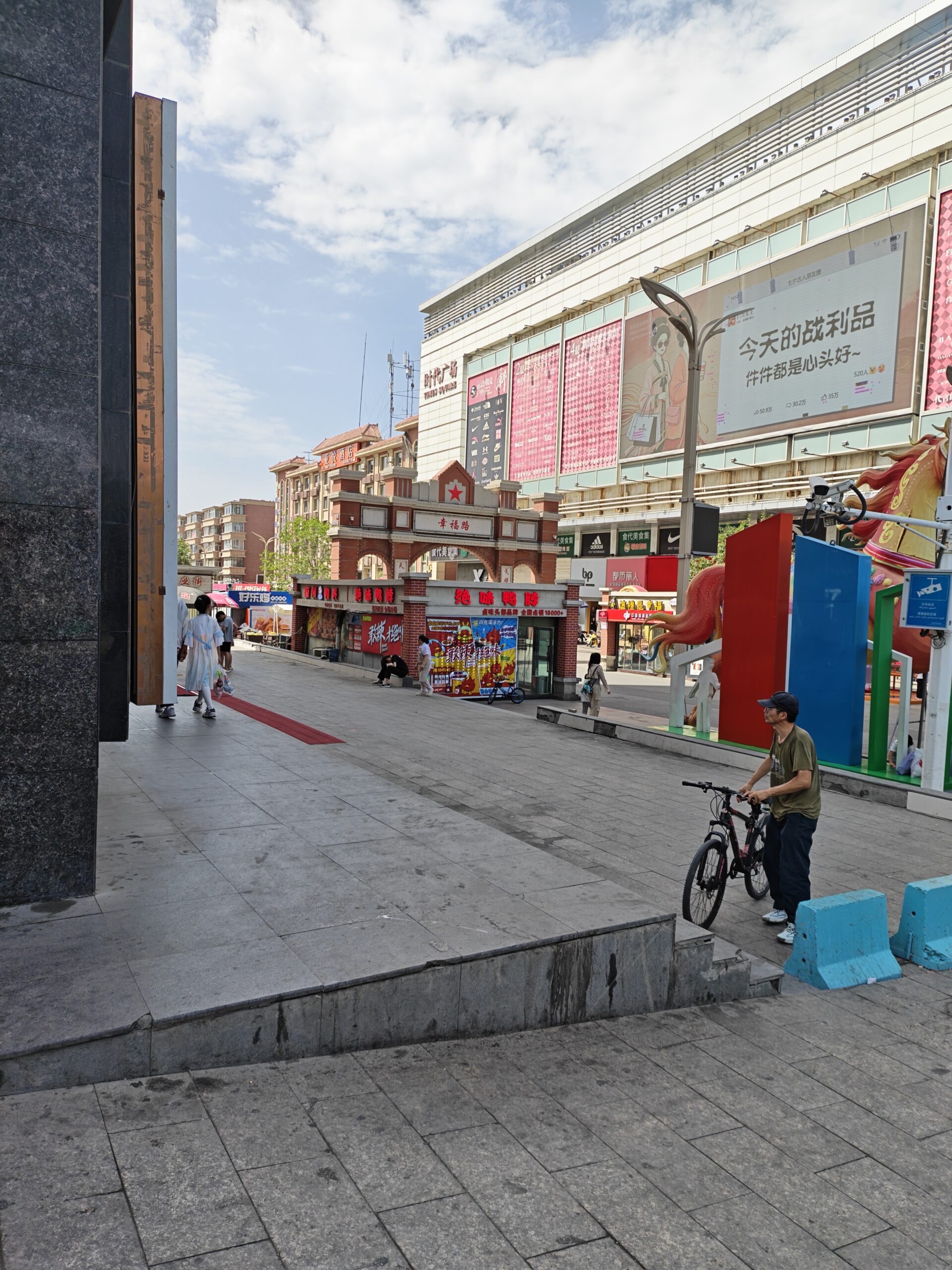
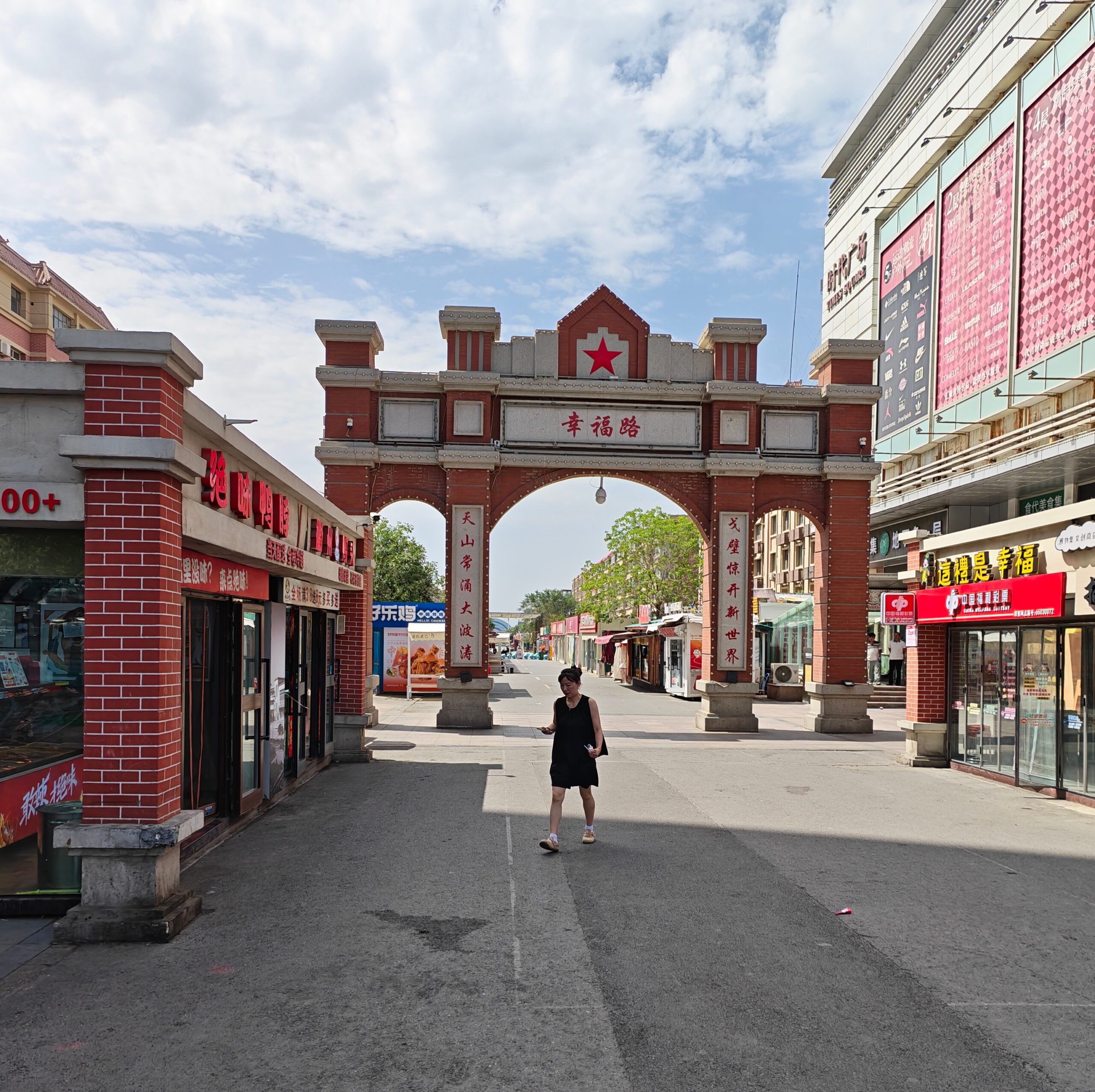
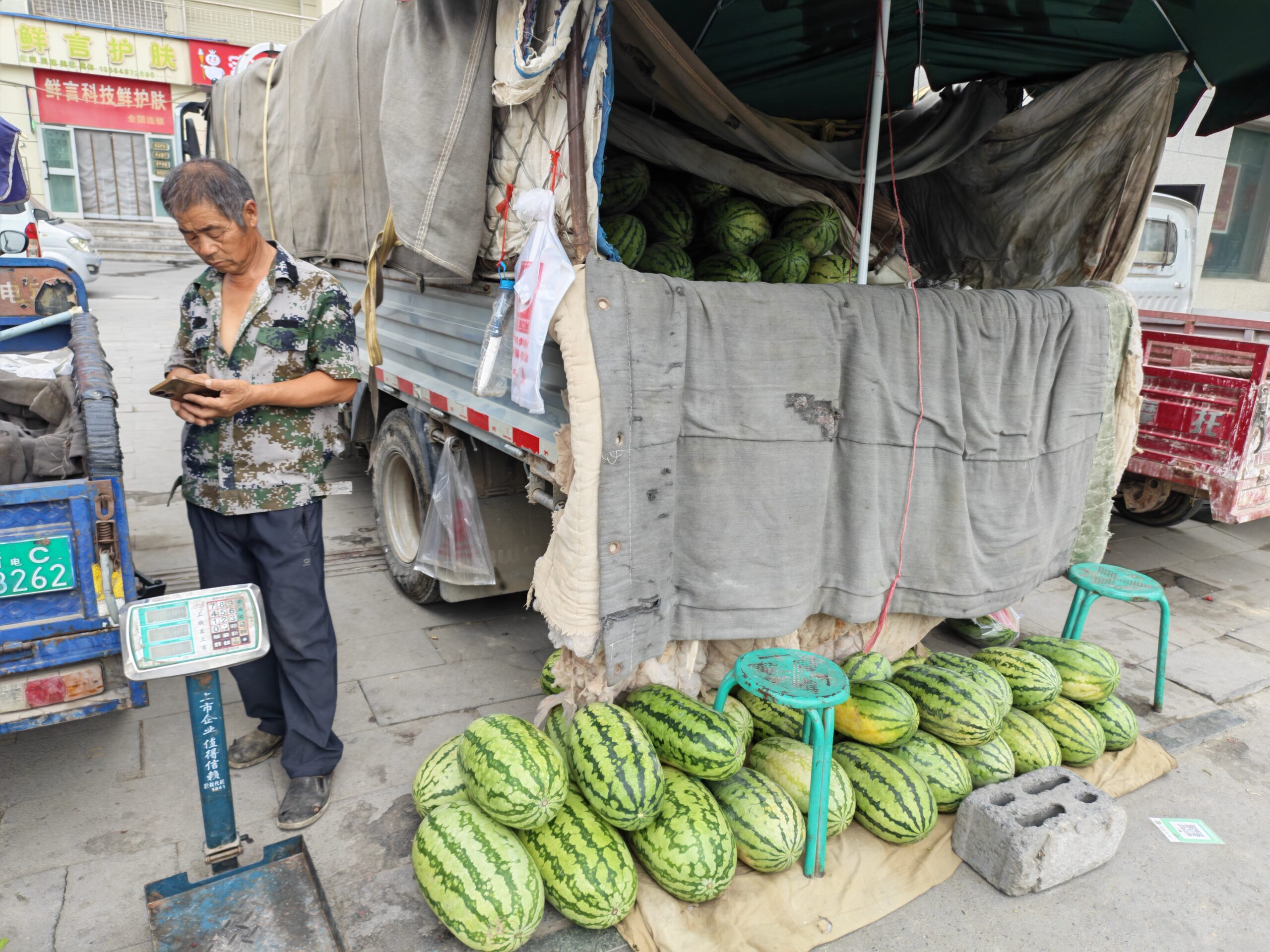
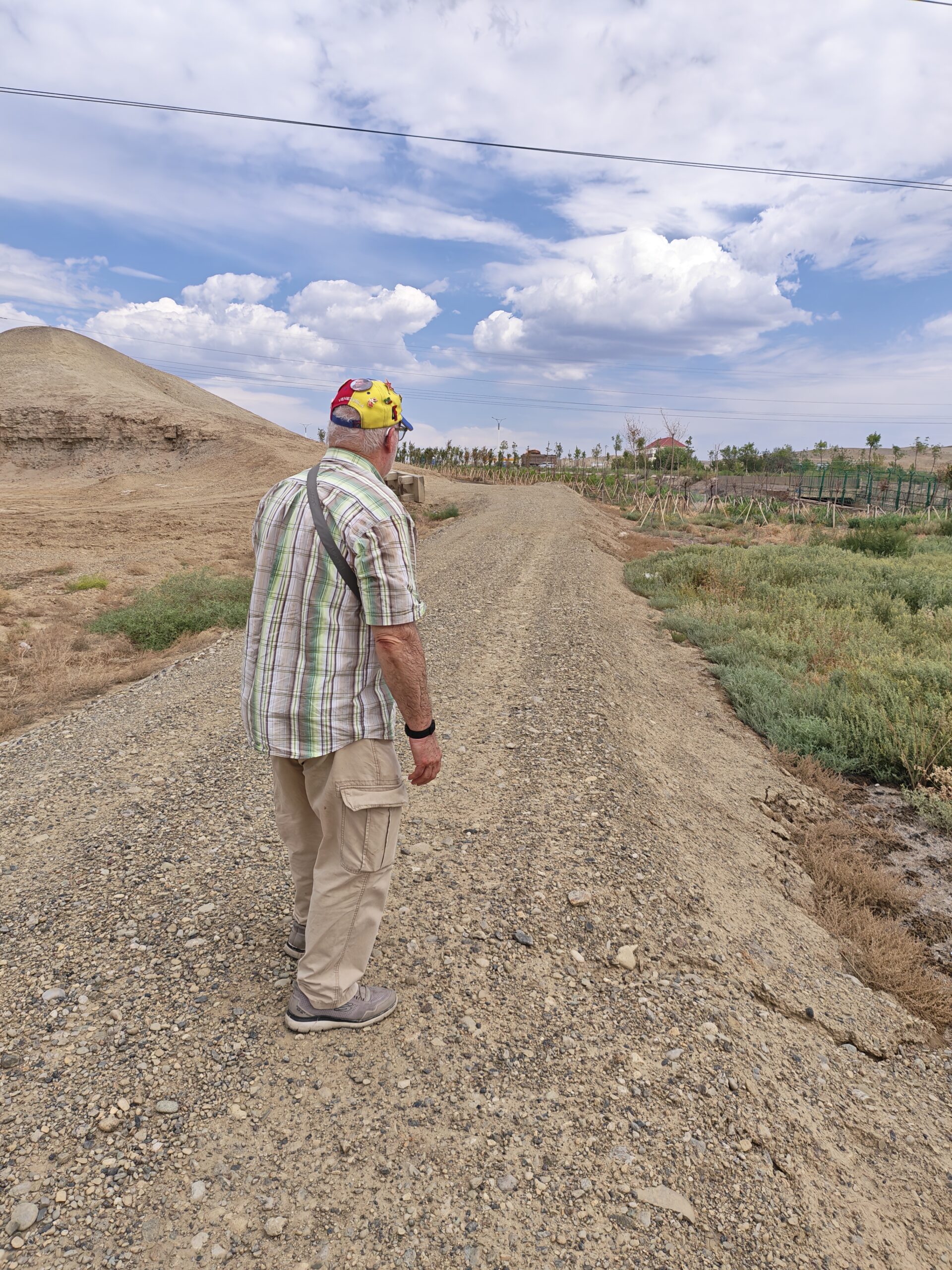
Below are pictures of the three smaller Xinjiang cities that we have been to so far. A bit of a potpourri from street scenes that we have experienced.
Enjoy!










###
 I contribute to