
TRANSLATION MENU: LOOK UPPER RIGHT BELOW THE SOCIAL MEDIA ICONS.
IT OFFERS EVERY LANGUAGE AVAILABLE AROUND THE WORLD!
ALSO, SOCIAL MEDIA AND PRINT ICONS ARE AT THE BOTTOM OF THIS POST!
Seventeen years on the streets, living and working with the people of China, Jeff

For donations, print books, ebooks and audiobooks, please see at the bottom of this post.
Text only.

China: high quality health care, low cost. USA is the exact opposite.
Recent Trends:
- China: Steadily increased life expectancy, reaching approximately 78.7 years (2023/2024 estimates) and 78.2 years (2021).
- U.S.: Life expectancy was around 78.8 years in 2014, dipped, and was back to 78.4 years in 2023, still below comparable wealthy countries.
Chinese are living longer, Americans are dying younger.

The Chinese have higher quality health care…

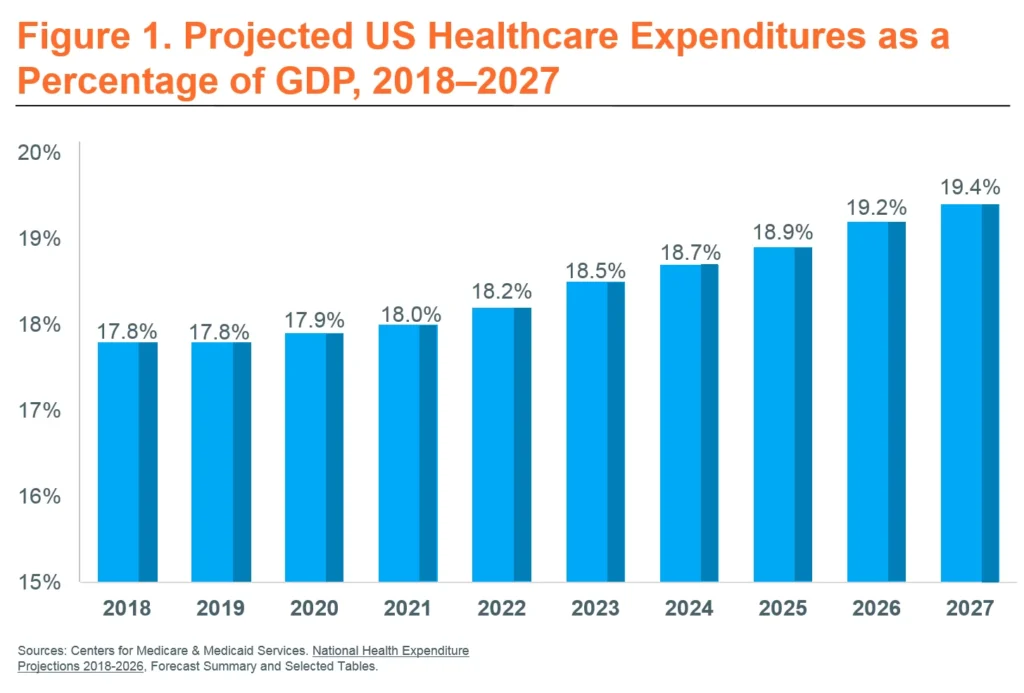
…at a fraction of the cost.
China saving lives vs western profiteering at the expense of the health of millions who cannot afford to pay ‼️
https://www.nytimes.com/2025/08/17/opinion/china-biotech.html
Yes, China produces many drugs, especially generics and even some innovative ones, at significantly lower costs due to government procurement policies (VBP/NCDP), intense generic competition, and a focus on value-based pricing, leading to huge price drops (50%+ in some cases) and making them globally competitive, with Chinese firms increasingly licensing R&D to Western companies and even supplying generics for US weight-loss drugs.
Key Drivers of Low Prices:
- Government Procurement (VBP/NCDP): China’s national bulk purchasing programs create powerful “buyer cartels,” forcing massive price cuts (often 50-90%) in exchange for guaranteed high sales volumes for winning bidders, notes the China Europe International Business School and the NIH-funded research.
- Intense Competition: A crowded market of generics and off-patent drugs drives prices down as companies compete fiercely to meet VBP standards, says the National Institutes of Health (.gov) and the National Institutes of Health (.gov).
- Shift to Value-Based Pricing: Policies now encourage aligning drug prices with their clinical value, rather than just cost, notes the National Institutes of Health (.gov) and the National Institutes of Health (.gov).
- Biotech Innovation & Licensing: China is becoming a major source of new drug candidates, with Western firms licensing Chinese innovations, notes The Economist and Reddit.
Impact:
- Increased Access: Lower prices make vital medicines, including cancer drugs, more accessible to Chinese patients and potentially globally, says The Economist and Oxford Academic.
- Global Market Shift: Chinese firms are moving from being just manufacturers to innovators, impacting global drug pricing and supply, notes The Economist and Reuters.
It’s not just AI. China’s medicines are surprising the world, too
15 Feb 2025 — This involves a Chinese pharma company spinning off its clinical assets into an American entity run by an experienced local management team. The pare…
The Economist
Chinese pharma is on the cusp of going global – The Economist
22 Nov 2025 — There are also reasons for cautious optimism, however. More competition leads to more treatments appearing with smaller price tags. For patients long…
The Economist
Changing Characteristics of Pharmaceutical Prices in China Under …
With an average price reduction of 53%, the volume of the bid-winning drugs has accounted for 30% of the annual volume purchased by public medical institutions.
National Institutes of Health (.gov)
Price negotiation and pricing of anticancer drugs in China
Conclusions. In this study, we found that the implementation of price negotiation in China has led to drug pricing better aligned with clinical value for antica…
National Institutes of Health (.gov)
Chinese companies turn to generics as shipments behind US weight-loss craze fade
2 Sept 2025 — The shortage opened the door for compounding pharmacies, turbocharged by telehealth firms that flourished during the COVID pandemic, to supply cheap …
Reuters
Why are brand-name drugs exiting the China market? | CEIBS
9 Dec 2025 — Instead, it reflects a broader structural change in China’s pharmaceutical industry which is being driven by government policy. Some argue that becaus…
China Europe International Business School
A Case Study of Pharmaceutical Pricing in China: Setting the …
Potential Changes in Off-Patent Originator Pricing Policy … Drug pricing in China is gradually being transferred from cost-based to clinical value-based prici…
National Institutes of Health (.gov)
Changing Characteristics of Pharmaceutical Prices in China Under …
14 July 2022 — In addition, in the second centralized bidding, the prices of a few INNs did undergo a rise trend. Also, significant differences were observed in th…
Frontiers
China’s Biotech Is Cheaper and Faster. China has made global prices for cars, electronics, and energy radically cheaper – Reddit
17 Aug 2025 — China’s Biotech Is Cheaper and Faster. China has made global prices for cars, electronics, and energy radically cheaper – might it be about to do the…
International price comparisons for national price-negotiated drugs …
14 Aug 2025 — * China has implemented national drug negotiations to alleviate the financial burden on patients. * Research on how China’s drug prices compare globa…
Oxford Academic
Case studies
How China’s Pharmaceutical Innovation is Empowering Global Patients: From “Access to Medicine” to “Choice of Better Treatments”
In the midst of a profound restructuring of the global innovative drug supply chain, China’s pharmaceutical industry is stepping onto the world stage at an unprecedented pace. For patients worldwide battling chronic and life-threatening diseases, this shift means more than just numbers—it’s about hope, better options, and lives transformed.
In 2025, China’s outbound licensing (license-out) deals for innovative drugs officially surpassed $100 billion, signaling a structural transformation from “import and adapt” to becoming a key “global supplier.” According to data from global consulting firm SAI MedPartners, in the first half of 2025, China-related pharmaceutical business development (BD) transactions accounted for nearly half of the global total. SAI MedPartners’ Asia President, Deng Xianpeng, noted: “By the end of 2025, China’s innovative drug BD transaction volume is expected to exceed $100 billion.”
This projection has been swiftly validated by market data. A report from a domestic pharmaceutical data platform in October, titled “2025 Q1–Q3 Pharmaceutical Transaction Trends Analysis,” shows that in the first three quarters of 2025, China’s license-out total reached $92.03 billion. Including the blockbuster collaboration between Innovent Biologics and Japan’s Takeda Pharmaceutical in October, the total has officially crossed the $100 billion threshold (approximately RMB 7,061 billion).
Disease Burden and Unmet Needs: Why AKT is Back in the Spotlight?
From a patient’s perspective, the rising burden of cancers like breast, prostate, ovarian, and endometrial—often linked to the AKT pathway—feels deeply personal. Imagine a woman diagnosed with advanced breast cancer, facing not just the physical toll but the emotional weight of limited treatment options after initial therapies fail.
According to GLOBOCAN 2024, global new cancer cases exceed 20 million annually, with breast cancer consistently topping the incidence charts. In advanced or resistant stages, abnormal activation of the PI3K/AKT/mTOR pathway is a key driver of treatment failure and disease progression.
While targeted and immunotherapies have improved outcomes for some, significant pain points remain:
- Hormone receptor-positive (HR+) breast cancer after endocrine therapy resistance
- Solid tumors failing multiple lines of treatment
- Patient populations limited by the toxicity of PI3K inhibitors
The burning question for patients and clinicians alike: “How can we inhibit this pathway while ensuring safety and long-term benefits?” This is the crux of whether AKT-targeted therapies can truly make a difference in real lives.
Target Mechanism and Clinical Data: The Science Behind AKT Inhibition
The AKT pathway is the central hub in the PI3K/AKT/mTOR signaling axis, with isoforms AKT1, AKT2, and AKT3 playing pivotal roles in tumor cells:
- Proliferation
- Survival
- Metabolic reprogramming
- Treatment resistance
Compared to earlier PI3K inhibitors, next-generation AKT inhibitors focus on:
- More precise isoform targeting
- Manageable pathway-related toxicities like rash and hyperglycemia
- Potential for combination with endocrine or chemotherapy regimens
Take Capivasertib, which has broken through in international markets, as an example. In Phase III trials for HR+/HER2− breast cancer patients, it showed:
- Significantly superior median progression-free survival (PFS) compared to controls
- Even more pronounced efficacy in biomarker-specific subgroups
For patients, this translates to more time—time with family, time pursuing dreams, time free from the shadow of progression. It’s this kind of data that reignites hope and prompts global pharma to reassess AKT’s viability. Chinese companies launching next-gen candidates in this space, with differentiators in efficacy windows, safety, or dosing, hold clear potential for global partnerships that could reach patients faster.
Market Potential and Commercialization: Why Global Pharma is Betting Big?
From a market view, the AKT-related cancer treatment landscape is transitioning from theoretical promise to tangible products. But for patients, it’s about accessibility: a world where innovative treatments aren’t just for the few, but options for many.
Comprehensive forecasts from firms like Wiseguy Reports and GlobalData predict:
- The global AKT pathway drug market will sustain mid-to-high single-digit to double-digit growth over the next 5–8 years
- Breast cancer remains the core commercialization indication
- Combinations with CDK4/6 inhibitors and endocrine therapies are seen as the highest-volume scenarios
Notably, China lacks a mature AKT-targeted product lineup, and globally, only a handful are in late-stage or commercialized. This “high demand, low supply” gap fuels high-value BD deals, bringing cutting-edge therapies to patients who need them most.
The $100 Billion Milestone: Three Deals Shattering Records in China’s Drug Outbound Journey
This $100 billion isn’t abstract—it’s built on groundbreaking deals that could change patient stories worldwide:
- In May, Sunshine Pharmaceutical and its affiliate licensed their original drug SSGJ-707 to Pfizer. The deal included a $1.25 billion upfront payment, up to $4.8 billion in milestones, and tiered royalties—setting a record for upfront payments in Chinese outbound licensing.
- In July, Hengrui Medicine partnered with GSK, granting global rights (ex-China) to PDE3/4 inhibitor HRS-9821 and options for up to 11 projects. Upfront: $500 million; potential total: up to $12.5 billion.
- Announced in October and effective December, Innovent Biologics’ global strategic collaboration with Takeda on next-gen immuno-oncology (IO) and ADC therapies totaled $11.4 billion. A Morgan Stanley November report called it the largest single oncology outbound deal by total value in Chinese history.
Within半年, three outbound records were shattered, signaling China’s role as a “global pharmacy” for innovative drugs—delivering hope to patients everywhere.
Market and Commercialization Logic: From Single-Product Deals to Systemic Collaborations
BD is evolving from isolated product licenses to collaborative global R&D ecosystems. As Leopard Research Institute’s healthcare analyst Liang Kunyuan explains, drivers include:
On one side, big pharma faces a “patent cliff,” with Fangzheng Securities projecting $200 billion in annual sales at risk by 2030. On the other, Chinese firms have built high-quality, internationally verifiable clinical assets through years of R&D.
Tumor and immunology lead the charge, with ADC and bispecific antibodies surging since 2023. Metabolic and obesity therapies follow, exploding around GLP-1 and multi-target agents in 2025. Autoimmune, rare diseases, and select CNS areas are heating up too.
For patients, this means faster access to diverse, effective treatments—turning “survival” into “thriving.”
Company Profiles and Partnership Logic: R&D Depth Meets Global Reach
These deals reflect clear divisions: Chinese biotechs drive R&D with:
- Robust early molecule design and translation
- Efficient domestic clinical validation
- Deep expertise in specific targets
Global pharma brings:
- Multicenter trials
- Worldwide regulatory affairs
- Market access and sales networks
It’s risk-sharing that amplifies value, embodying China’s “rational outbound” strategy—and ultimately benefiting patients with safer, more effective options.
Industry and Policy Lens: A Decade of Systemic Reforms
Over the past decade, China’s pharma landscape has undergone transformative reforms:
- 2015: Drug review and approval system overhaul begins
- 2018: Clinical trial approvals shift to implicit consent
- 2020: Breakthrough therapy designation implemented
- 2021: “Dual-channel” reimbursement boosts innovative drug access
- 2022: Accelerated review for listings, emphasizing clinical value
- 2025: “Measures to Support High-Quality Innovative Drug Development” forms full-chain support
These aren’t isolated changes but a cohesive evolution from efficiency to value-driven innovation. As China Healthcare Security Research’s Liang Jialin summarizes, China has leaped from generics dominance to innovation activation, now outputting globally valuable assets.
Conclusion
The resurgence of AKT targeting exemplifies China’s shift: no longer chasing hotspots, but carving breakthroughs in established yet unsolved areas. For patients, it’s a beacon—from mere access to meaningful choices.
This collaboration isn’t aggressive expansion but confident positioning in global innovation. Companies like Hong Kong-based DengYueMed exemplify this, with unwavering commitment to quality, compliance, and integrity. Anchored in excellence, innovation, sustainability, and social responsibility, they bridge Chinese innovations to international markets, enhancing global patient access and choices.
As patients worldwide move from “having medicine available” to “having better options to choose from,” China’s innovations are an indispensable force—and international export leaders stand at this pivotal juncture, fostering real-world impact.
References
- GLOBOCAN 2024. Global Cancer Statistics.
- Nature Medicine. Targeting the PI3K–AKT pathway in cancer.
- NEJM. Capivasertib in Hormone Receptor–Positive Advanced Breast Cancer.
- Wiseguy Reports. Global AKT Inhibitor Market Forecast.
###
Support, donations and contributions for my work here, any amount, one time or monthly,
A to Z support. Thank you in advance, Jeff
Checks or cash: mail to: Jeff J. Brown, 7 rue du Général de Gaulle, Équeurdreville 50120, France
Donorbox: www.donorbox.com, find China Rising Radio Sinoland
Euro bank wires: 44 Days Publishing, Bank: TransferWise, IBAN: BE70 9672 2959 5225
FundRazr: https://fundrazr.com/CRRS_2021_fundraiser?ref=ab_78aX23
Patreon: https://www.patreon.com/China_Rising_Radio_Sinoland OR https://www.patreon.com/China_Tech_News_Flash
Paypal: https://www.paypal.me/ChinaRisingRadioSino
Stripe US$/ApplePay: https://buy.stripe.com/14k8zl5tp5mVeT66op
Stripe Euros/ApplePay: https://buy.stripe.com/fZe02P8FB9DbcKY28a
US bank wires: Jeff J. Brown, Bank of Oklahoma, Routing Number/ABA: 103900036, Account: 592243855
WeChat and Alipay:

Do yourself, your friends, family and colleagues a favor, to make sure all of you are Sino-smart:
Google ebooks (Epub) and audiobooks:
44 Days Backpacking in China: The Middle Kingdom in the 21st Century, with the United States, Europe and the Fate of the World in Its Looking Glass https://play.google.com/store/books/details?id=YBKHEAAAQBAJ
https://play.google.com/store/audiobooks/details?id=AQAAAECCkQXRlM
China Rising: Capitalist Roads, Socialist Destinations https://play.google.com/store/books/details?id=YNmLEAAAQBAJ
https://play.google.com/store/audiobooks/details?id=AQAAAECCfHo86M
BIG Red Book on China: Chinese History, Culture and Revolution
https://play.google.com/store/books/details?id=6Wl4EAAAQBAJ
https://play.google.com/store/audiobooks/details?id=AQAAAECCfHo86M
Amazon print and ebooks (Kindle):
44 Days Backpacking in China: The Middle Kingdom in the 21st Century, with the United States, Europe and the Fate of the World in Its Looking Glass
https://www.amazon.com/gp/product/1484939999/
China Rising: Capitalist Roads, Socialist Destinations
https://www.amazon.com/China-Rising-Capitalist-Socialist-Destinations/dp/0996487042
BIG Red Book on China: Chinese History, Culture and Revolution
https://www.amazon.com/BIG-Red-Book-China/dp/1673322719/
Author page:
https://www.amazon.com/Mr.-Jeff-J.-Brown/e/B00TX0TDDI
Praise for The China Trilogy:
Jeff J. Brown’s libraries and catalogues A-Z: 1,000s of hours of research, writing, editing and podcasting.
Why and How China works: With a Mirror to Our Own History




JEFF J. BROWN, Editor, China Rising, and Senior Editor & China Correspondent, Dispatch from Beijing, The Greanville Post
Jeff J. Brown is a geopolitical analyst, journalist, lecturer and the author of The China Trilogy. It consists of 44 Days Backpacking in China – The Middle Kingdom in the 21st Century, with the United States, Europe and the Fate of the World in Its Looking Glass (2013); Punto Press released China Rising – Capitalist Roads, Socialist Destinations (2016); and BIG Red Book on China (2020). As well, he published a textbook, Doctor WriteRead’s Treasure Trove to Great English (2015). Jeff is a Senior Editor & China Correspondent for The Greanville Post, where he keeps a column, Dispatch from Beijing and is a Global Opinion Leader at 21st Century. He also writes a column for The Saker, called the Moscow-Beijing Express. Jeff writes, interviews and podcasts on his own program, China Rising Radio Sinoland, which is also available on YouTube, Stitcher Radio, iTunes, Ivoox and RUvid. Guests have included Ramsey Clark, James Bradley, Moti Nissani, Godfree Roberts, Hiroyuki Hamada, The Saker and many others. [/su_spoiler]
Jeff can be reached at China Rising, [email protected], Facebook, Twitter, Wechat (+86-19806711824/Mr_Professor_Brown, and Line/Telegram/Whatsapp: +33-612458821.
Read it in your language • Lealo en su idioma • Lisez-le dans votre langue • Lies es in deniner Sprache • Прочитайте это на вашем языке • 用你的语言阅读
[google-translator]
Wechat group: search the phone number +8619806711824 or my ID, Mr_Professor_Brown, friend request and ask Jeff to join the China Rising Radio Sinoland Wechat group. He will add you as a member, so you can join in the ongoing discussion.
 I contribute to