TRANSLATION MENU: LOOK UPPER RIGHT BELOW THE SOCIAL MEDIA ICONS.
IT OFFERS EVERY LANGUAGE AVAILABLE AROUND THE WORLD!
ALSO, SOCIAL MEDIA AND PRINT ICONS ARE AT THE BOTTOM OF THIS POST!
Seventeen years on the streets, living and working with the people of China, Jeff
For donations, print books, ebooks and audiobooks, please see at the bottom of this post
My introduction
An amazing essay whose subject I have written much about. It adds some great details and color.
This is history. Neither forgive nor forget.
Kudos to Chengcheng Talks History for putting together one of the best history lessons on the Judeo-West’s sordid crimes against humanity China for over 100 years.
I have written much about the events explained here, including some great chapters in The China Trilogy (https://www.amazon.com/stores/author/B00TX0TDDI/allbooks). It all involved thousands of hours of research and writing.
I also wrote a series of articles about HSBC and Huawei’s CFO Meng Wanzhou, covering her criminal kidnapping at the hands of Talmud-Tanakh Uncle Slaughter and its craven slut vassal, Canada.
Chengcheng does a great job connecting the Judeo-dots going back 200 years and is a great compliment to all the work I produced.
Enjoy his terrific historical exposé!
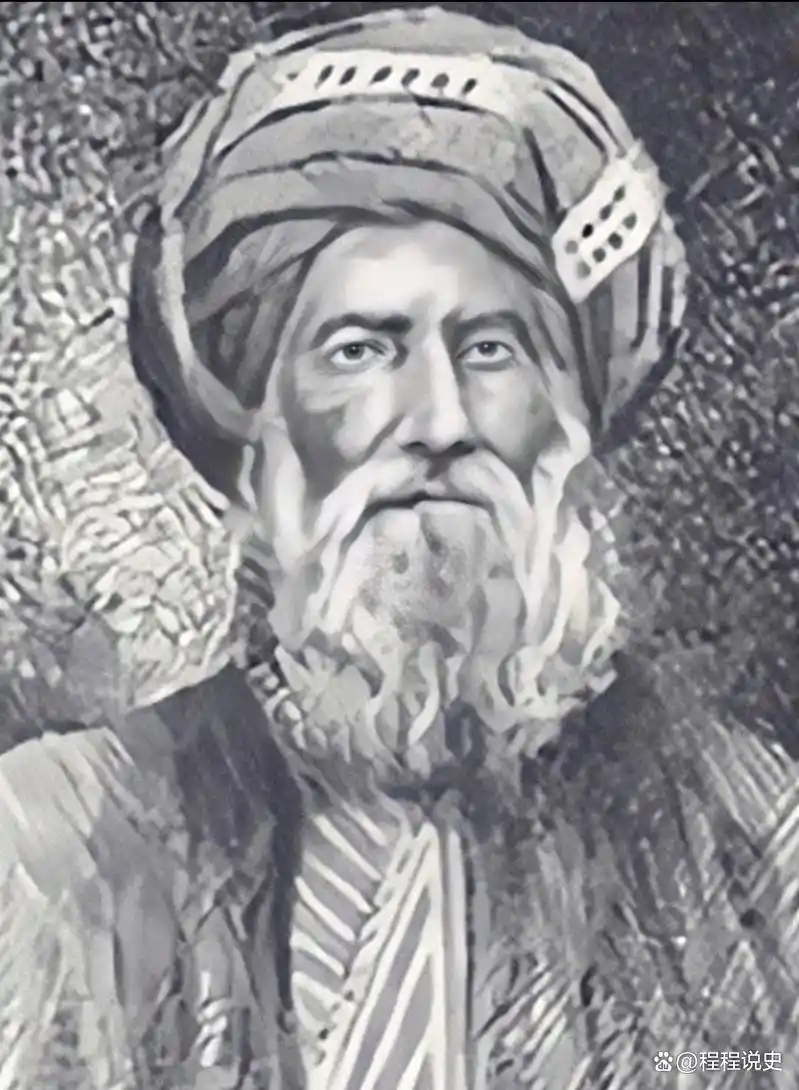
In 1821, a Jewish family fled Baghdad. No one could have imagined that this escape would rewrite modern Chinese history.
Chengcheng Talks History
March 6, 2026
AI Guide
In 1821, the escape of a Jewish family rewrote modern Chinese history. From the opium trade in Bombay to the financial empire in Shanghai, the Sassoon family used opium and stones (arms) to manipulate the fate of an ancient nation, ultimately controlling China’s economic lifeline behind the scenes at HSBC.
Content generated with AI
1-The nights in Baghdad were never so quiet
Baghdad’s Pasha Daoud killed someone on his first day in office. The Jewish patriarch’s body hung on the city gate, exposed to the sun for three days, swarming with flies.
David Sassoon stood in his yard, able to smell the stench.
He was the treasurer of Baghdad, collecting taxes for the Ottoman Empire. He had held this position for twenty years and had a good relationship with all the previous governors. But the newcomer, Daoud, was different. On his very first day in office, he killed the Jewish chieftain without even giving a reason.
David wrote a letter and sent it to his superiors, requesting Daoud’s removal.
On the third night after the letter was sent, someone scaled the wall into the Sassoon family’s yard and threw a dead cat into the well. On the fourth day, Daoud’s soldiers blocked the Sassoon family’s warehouse outside the city, claiming they wanted to investigate taxes. On the fifth day, one of David’s nephews went out and never returned.
On the sixth night, Daoud sent a note.
The note contained only one sentence: “I have reported your embezzlement and bribery.”
David looked at the note, his hand trembling three times. He knew all too well that in Baghdad, once convicted of embezzlement and bribery, the death penalty was hanging.
That night, he summoned his eight sons to a secret room.
“Let’s go.” The eldest son asked, “Where to?”
David didn’t answer. He looked at the map hanging on the wall, his finger moving eastward from Baghdad, across the Persian Gulf, finally stopping at a point on the west coast of India.
Mumbai.
The next day, before dawn, the Sassoon family of twenty-seven, carrying all the gold, silver, and valuables they could, disappeared into the vast darkness outside Baghdad.
They rode for three days to reach the Persian Gulf, then boarded a date-trading merchant ship, drifting at sea for over twenty days.
On the day the ship docked, David glanced back in the direction he had come from. Baghdad was long gone; only a few seabirds flew above the sea.
He didn’t know that this escape would lead to the creation of a commercial empire spanning three generations. He didn’t know that this empire would, in the distant East, rewrite the modern history of an ancient nation with opium and stones.
That was 1821.
The first year of the reign of the Daoguang Emperor of the Qing Dynasty.
2-The sun in Mumbai was more scorching than in Baghdad
David Sassoon stood on the dock, watching the British soldiers pacing back and forth, their red uniforms soaked with sweat. Cargo ships docked one after another, their unloaded goods piled high like mountains.
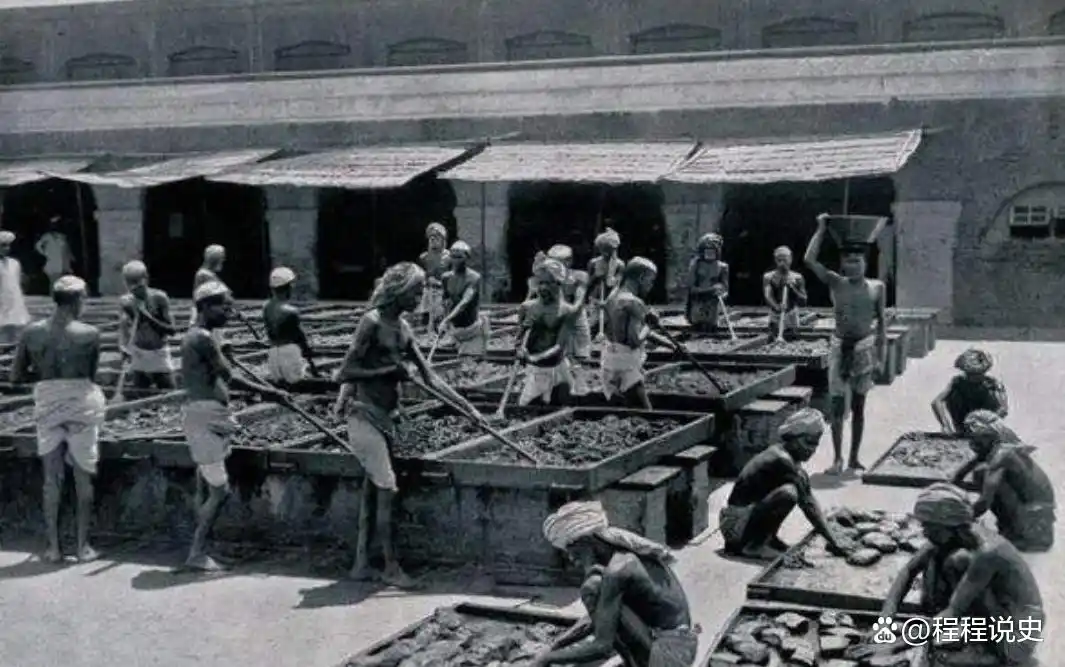
Opium.
Grown by the British, harvested by the Indians, and shipped to China to be sold.
David stood there all afternoon, mentally calculating how much a chest of opium would cost in Mumbai, how much it would sell for in Guangzhou, and the difference in price. After doing the calculations, he realized that his entire life collecting taxes for the Ottoman Empire hadn’t earned him as much as the British making on a single shipping trip.
But a problem arose.
The British East India Company monopolized trade with China; no one else could touch it.
David remained silent. He began buying and selling land in Mumbai, opening warehouses, and drinking with British merchants. Within three years, he had put up the Sassoon & Co. signboard, ostensibly dealing in cotton and cloth.
Secretly, he began hoarding opium.
One warehouse wasn’t enough, so they had two; two weren’t enough, so they had four. By 1833, the Sassoon family’s warehouses were piled high with over ten thousand chests of opium, all inferior goods that the East India Company wouldn’t even consider. David knew that inferior goods were still money; as long as they were shipped to China, there would still be buyers.
He hoarded the goods while waiting.
Waiting for an opportunity.
In 1834, the opportunity arrived.
British merchants had long resented the East India Company’s monopoly on trade with China. They united to pressure Parliament, arguing that why should the East India Company reap all the benefits while they couldn’t even get a drop of soup.
David joined in. He, along with a group of Jewish merchants in Bombay, wrote a joint letter to the British Parliament, stating that monopolies violated the principles of free trade and that the East India Company must be eliminated.
That summer, the British Parliament passed a bill abolishing the East India Company’s monopoly on trade with China.
The day the news reached Bombay, David locked himself in his accounting room for an entire day. No one knew what he did inside; only his eldest son occasionally overheard a laugh or two coming from within.
The next morning, the doors of the Sassoon family’s warehouses were all opened.
Twelve thousand chests of opium, loaded onto eighteen ships, sailed out of Bombay harbor, heading straight for China.
That year was 1834.
Two years later, the Sassoon family was shipping nearly forty thousand chests of opium to China. In China’s coastal cities, 97% of the opium was controlled by Jewish merchants, with the Sassoon family holding 20%.
A British journalist came to interview David, asking him how he had made his fortune.
David smiled and said, “The British fight wars, we do business.” The journalist didn’t understand.
David didn’t explain either.
3-The opium at Humen burned for twenty-three days
Lin Zexu stood by the opium-burning pool, watching as pieces of opium were thrown in, turning into black, charred residue that drifted away with the receding tide.
A huge crowd of onlookers cheered in waves.
No one noticed a Chinese man in a long gown standing on the dock, meticulously counting in a small notebook. He was the Sassoon family’s accountant, there to tally the number of chests of opium burned.
Nineteen thousand one hundred and eighty-seven chests.
He noted this number down and that very night dispatched a fast ship to Macau, from where it would be forwarded to Bombay.
When David Sassoon received the letter, his hands trembled again.
Half of the opium belonged to his family.
His eldest son, standing beside him, asked, “What should we do?”
David folded the letter, tucked it into a drawer, and remained silent for a long time.
“Go to London.” That winter, David Sassoon sailed to England. He didn’t go directly to the Member of Parliament, but instead went to Paris first to visit someone.
James Rothschild.
The Rothschild family was related to the Sassoon family by marriage; David’s daughter married James’s nephew. The two old men spent three days in their Paris mansion; what they discussed remains unknown. Three days later, David traveled from Paris to London by train, accompanied by James’s three sons.
From the winter of 1839 to the spring of 1840, two groups of people appeared in London. One was from the Sassoon family, and the other from the Rothschild family. They took turns hosting members of parliament for dinner, and the topic of conversation wasn’t opium, but free trade.
“Do you understand free trade?”
“The British can do business wherever they want.”
“Now the Chinese aren’t letting us do business; is that fair?”
One member of parliament said the Chinese were destroying opium, which had been smuggled in and was illegal to begin with.
The Sassoon family members chuckled and shook their heads: “Opium is grown by Indians, bought by the British, and popular among the Chinese. It’s a market phenomenon, and has nothing to do with legality.”
In April 1840, the British Parliament voted on whether to wage war against China.
The result surprised everyone.
271 votes against, 262 in favor.
The war proposal was rejected.
When the news reached Bombay, the Sassoon family members were ashen-faced. The eldest son said, “It’s over. Parliament has given up on war.”
David remained silent, sitting in his chair, looking out the window.
“Wait.”
Three days passed.
Three days later, new information arrived.
Although Parliament had rejected the war, the British Prime Minister had authorized the East India Company’s private armed forces to take action independently. In other words, Parliament said no war, but the Prime Minister said, “You decide what to do.”
By then, the British fleet was already at sea.
In June 1840, the Opium War broke out.
Two years later, the Treaty of Nanjing was signed, opening five treaty ports to Chinese trade.
The Sassoon family had waited eight long years for this day.
In 1843, David sent his second son, Elias, by ship to China. Before his departure, he called his son to his side and said only one sentence:
“Go to Shanghai.”
4-When Elias arrived in Shanghai, the Bund was still a mudflat
He stood on the banks of the Huangpu River, his feet sinking into mud and reeds, the opposite bank a field of farmland and graves. The British had just demarcated this area as a concession, a few wooden stakes marking out a piece of land.
Elias stomped on the mud and said to his entourage, “Here.” The entourage was stunned: “Here? There’s nothing here.” Elias ignored him and turned to walk back.
Within three years, Sassoon & Co. offices had opened in Hong Kong, Guangzhou, and Shanghai. The Shanghai office, located on that mudflat by the Bund, was one of the earliest trading companies built in that area.
In those years, Sassoon family opium ships sailed to China one after another. The British cultivated opium in India, the Sassoon family bought it in Bombay, transported it to China to sell to opium dealers, who then sold it to opium dens. The chain was crystal clear, and the profits were made transparently.
In 1856, the Second Opium War broke out.
Two years later, the Treaty of Tianjin was signed, legalizing the opium trade.
The day the news reached Shanghai, Elias stood in front of the Sassoon & Co. on the Bund, watching the ships coming and going on the Huangpu River, and said to those around him:
“From now on, we won’t be doing business secretly anymore.”
In 1867, Elias separated from the family and established his own company—the New Sassoon & Co.
That year, the Sassoon family controlled 70% of all opium stocks in India and China.
A man named Marx in London wrote an article in the newspaper.
“The British government pretended to have nothing to do with the opium trade, even legislating against it, yet forced Bengal to grow opium, then auctioned it off to speculators, who then shipped it to China.” The Sassoon family was the biggest speculator Marx was referring to.
5-What to do with too much money?
David Sassoon pondered this question constantly throughout his life. Drug trafficking was profitable, but one couldn’t do it forever. Not only was it disreputable, but if the British changed their minds and stopped supporting the opium trade, everything would be over.
Cleansing the name.
In 1864, an opportunity presented itself.
British merchants in Bombay wanted to open a bank in Hong Kong, even having chosen a name: the Royal Bank of China. They planned to leave 5,000 shares for Hong Kong merchants, keeping the remaining 25,000 for themselves.
The Hong Kong trading companies objected.
Why should you eat the meat while we only get the soup?
Thomas Sutherland, a Scotsman from the Iron Ore Steamship Company, joined fifteen Hong Kong trading companies in a declaration published in the newspapers: “We also want to open a bank, a bank for the people of Hong Kong.”
Sassoon & Co. was one of these fifteen companies.
On March 3, 1865, HSBC officially opened in Hong Kong. Its headquarters were located at No. 1 Queen’s Road Central, a building owned by Sassoon & Co.
A month later, its Shanghai branch opened.
The Sassoon family finally moved from the forefront to the background. They no longer sold opium themselves, but through HSBC, controlled something more crucial—money.
The power to issue Hong Kong dollars belonged to HSBC.
The management of China’s customs and salt taxes also fell to HSBC.
The Qing government sought loans from HSBC to finance its wars.
HSBC provided loans for the indemnity payments after the First Sino-Japanese War.
HSBC provided loans for the indemnity payments after the Eight-Nation Alliance invasion of China.
By 1936, HSBC’s assets in China reached US$150 million, accounting for 44% of HSBC’s global assets. What does this mean?
HSBC relied on China, supporting half of its operations.
During those years, Chinese companies wanting loans from HSBC were completely denied access. Foreigners wanted to start companies, HSBC provided funding; Chinese wanted to set up factories, sorry, no loans.
Does national capital want to develop?
First, it has to get past HSBC.
6-The time is now the 1920s
The opium trade is failing.
International pressure is too great, and the British government no longer supports opium. When Victor Sassoon, the third-generation head of the Sassoon family, took over the business, he faced a problem: Opium can no longer be sold, what to do next?
On May 30, 1925, gunshots rang out on Nanjing Road in Shanghai. British-run police opened fire on the protesting crowd, killing thirteen people. The May Thirtieth Movement erupted, and the whole of China boycotted foreign goods.
The Sassoon family’s import business suffered a severe blow.
Victor locked himself in his room for three days. On the third night, he went out and called for help, saying three words:
“All in Shanghai.”
That year, the Sassoon family began gradually transferring their assets from India to Shanghai. Real estate, docks, warehouses, office buildings—they bought whatever they could get their hands on.
Victor stood on the Bund, looking at the empty land across the Huangpu River, and a picture was already in his mind.
He wanted to build the tallest building in Shanghai on this riverbank.
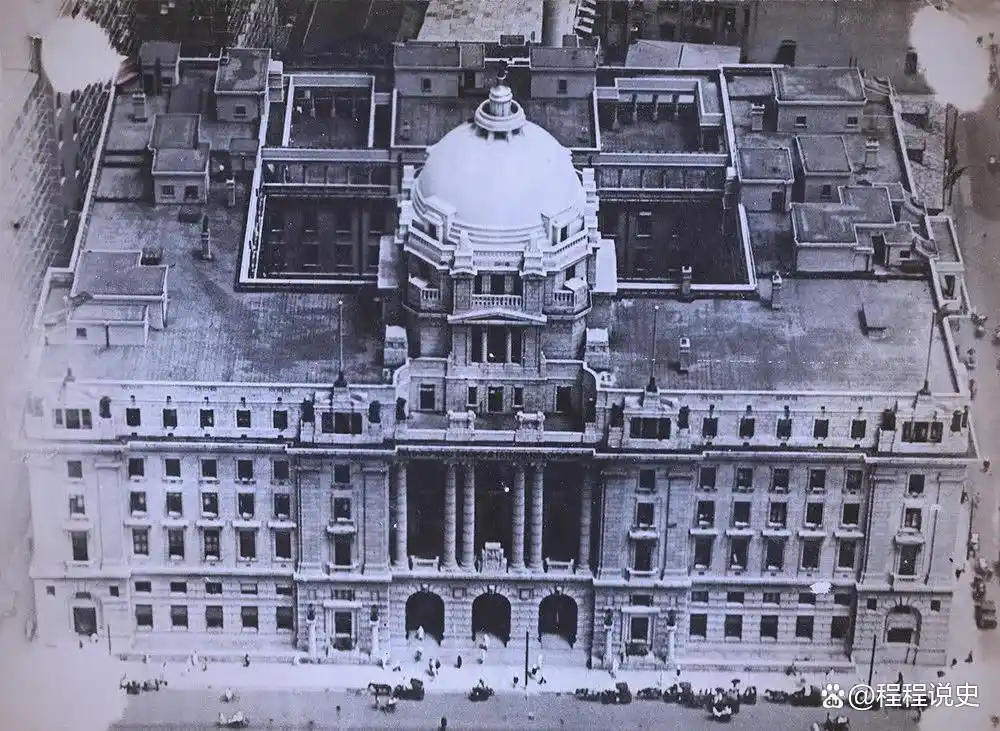
In 1929, the Sassoon House was completed.
Thirteen stories, 77 meters high, it was the tallest building on the Bund at the time. Its roof was a green, pyramid-shaped spire, visible from afar on the Huangpu River.
Victor kept the top floor for himself. Every morning he stood by the window, looking at the river view of the Bund, with trams and rickshaws passing by below.
Next came the Cathay Apartments.
Next came the Riverside Building.
Next came the VIP building of the Jinjiang Hotel.
In those years, six out of ten well-known buildings in Shanghai belonged to the Sassoon family. Victor could walk along Nanjing Road, point to a building, and it would be his; point again, and it would still be his.
Some say Victor was from Shanghai.
His ancestral home was Baghdad, he was born in Italy, grew up in England, held a British passport, and made his fortune in Shanghai.
Where was he from?
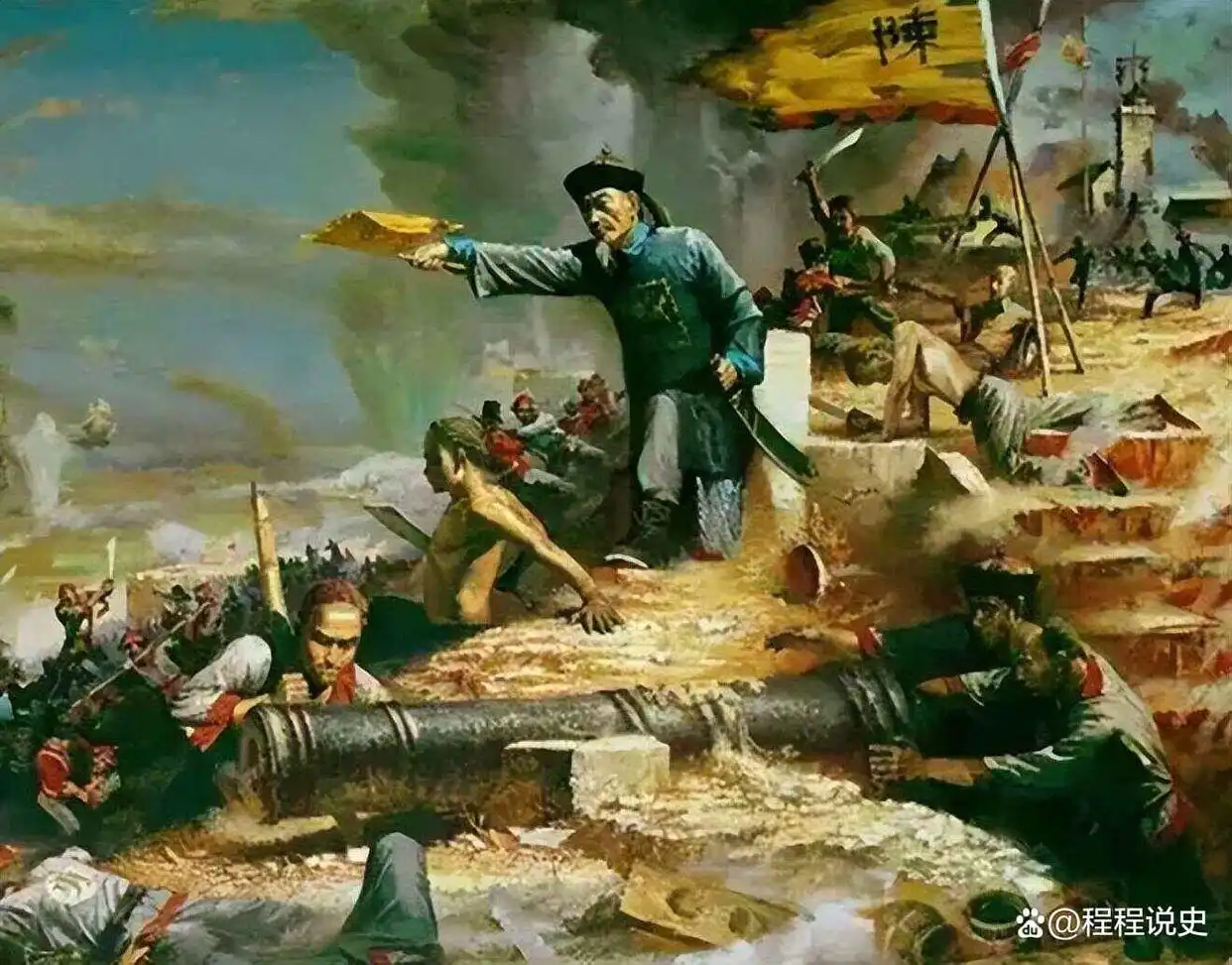
7-In May 1949, Shanghai was liberated
Victor had already fled. After the attack on Pearl Harbor in 1941, the Japanese occupied the concessions, and he escaped to New York beforehand. During those years, Shanghai was occupied by the Japanese, and all of the Sassoon family’s properties were taken over. The Japanese left, the Kuomintang returned, the Kuomintang left, and the Communists came.
Victor never returned to Shanghai.
From New York, he remotely directed his men to negotiate with the new government. The negotiations ultimately resulted in the nationalization of the Sassoon family’s properties.
The green-roofed Sassoon House on the Bund became the Peace Hotel.
The Cathay Apartments became part of the Jinjiang Hotel. The Riverside Building was converted into residential buildings, housing several hundred families.
The Sassoon family’s story in China seemed to have come to an end.
But HSBC remained.
8-After 1949, HSBC’s branches on the mainland gradually closed. Only the Shanghai branch was specially permitted to continue operating foreign exchange business
Why was it kept?
Because the new China needed a window to connect with the outside world.
HSBC became one of the very few foreign banks that did not interrupt its operations in China.
But during that period, HSBC kept a low profile. Its business in Hong Kong continued as usual, while its mainland operations remained largely silent.
In 1978, the reform and opening up policy was implemented.
HSBC returned.
In the 1980s, HSBC opened an office in Beijing. In the 1990s, HSBC built a new building in Shanghai. In 2007, HSBC Bank (China) Limited was established, becoming the first foreign bank to obtain a banking license in China.
It appeared clean and legitimate.
But its core principles remained unchanged—making money in China to serve the West.
9-In 2012, HSBC ran into serious trouble
The US Department of Justice discovered that HSBC had laundered billions of dollars for Mexican drug cartels. Not only money laundering, but also helping international terrorist organizations transfer funds.
The US Department of Justice issued a fine of $1.92 billion.
This is the largest fine ever levied against a bank in US history.
HSBC signed a five-year Deferred Prosecution Agreement, dutifully accepting the penalty. One clause in the agreement stipulated that HSBC must cooperate with all investigations by the US Department of Justice and must not conceal any information.
The US deployed a monitoring team of 2 to 4 people to HSBC, who could access all of HSBC’s documents at any time.
HSBC’s Achilles’ heel was now in the hands of the US.
In 2013, HSBC repeatedly met with Huawei executives, ostensibly to discuss compliance issues related to its Iranian operations.
On August 22nd, HSBC specifically requested a meeting with one person:
Meng Wanzhou.
Huawei’s CFO, Ren Zhengfei’s daughter.
10-That day in Hong Kong, the meeting didn’t take place in HSBC’s offices, but in a steakhouse
HSBC’s Asia-Pacific head was waiting there. Meng Wanzhou entered with a PowerPoint presentation and began introducing Huawei’s business in Iran.
The presentation clearly stated Huawei’s relationship with Skycom and what business Huawei was doing in Iran. She also emphasized that after the US sanctions against Iran in 2010, Huawei strictly adhered to the law and required its partners to comply as well.
The meal lasted for over two hours.
As it was ending, the HSBC representative asked if they could get an English version of the PowerPoint presentation.
Meng Wanzhou said yes.
She sent the presentation.
In 2016, this presentation appeared on the desk of the US Department of Justice.
On December 1, 2018, Meng Wanzhou was arrested by Canadian police while transiting through Vancouver.
The US charges were: Meng Wanzhou made false statements to HSBC, concealed Huawei’s relationship with Skycom, misled HSBC into providing financial services, and violated US sanctions against Iran.
What was the evidence?
That PowerPoint presentation.
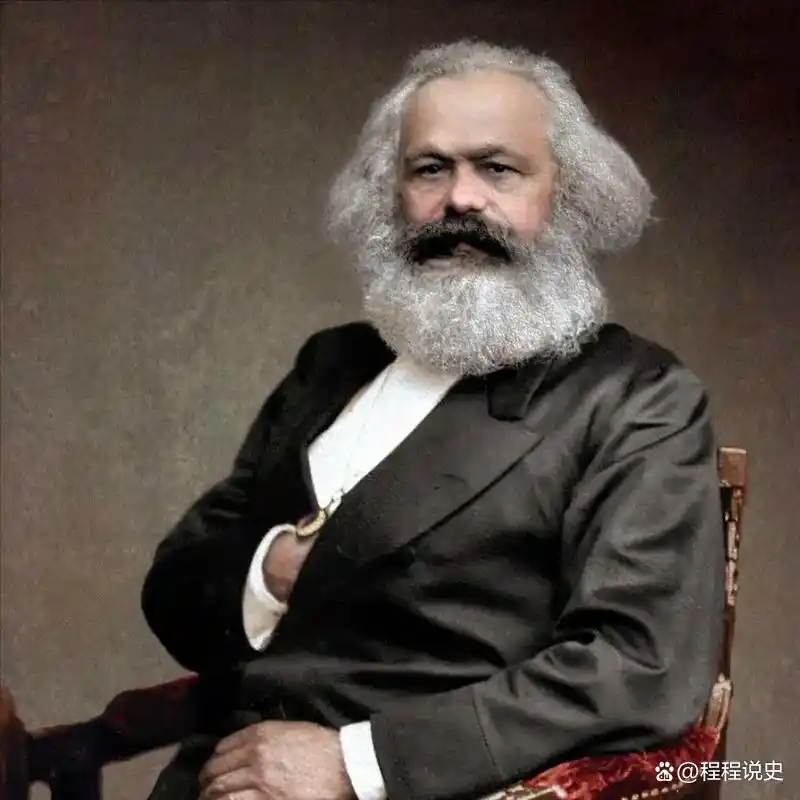
11-On the day news of Meng Wanzhou’s arrest broke, Ren Zhengfei was in a meeting in Shenzhen
Someone passed him the news; he looked at it, said nothing, and continued the meeting.
After the meeting, he called the person in and asked a few questions. Then he said, “HSBC knew everything from beginning to end.”
In July 2020, Meng Wanzhou’s lawyers submitted new evidence to the court.
Internal HSBC emails showed that since 2010, HSBC employees were fully aware of the relationship between Huawei and Skycom. In HSBC’s customer management system, Skycom was marked as “affiliated with Huawei Group.”
Huawei sent Skycom’s financial statements to HSBC, which clearly detailed Skycom’s business activities in Iran.
HSBC’s senior vice president directly emailed Huawei employees to discuss the signatories of Skycom’s accounts.
The evidence is there.
HSBC publicly stated: We didn’t know; only junior employees knew, senior management didn’t.
Ren Zhengfei stated bluntly in an interview: HSBC is not a victim; they sold out Huawei to protect themselves.
Why did HSBC sell out Huawei?
Because the US oversight team was sitting in HSBC’s offices. HSBC itself wasn’t clean; handing over Huawei’s materials would allow the US Department of Justice to let them off the hook.
On September 25, 2021, Meng Wanzhou returned to China.
12-On the day Meng Wanzhou returned, thousands of people surrounded Shenzhen Airport. Wearing a red dress, she stepped off the plane and said, “Motherland, I’m back.”
Many people wept.
What about HSBC?
In 2020, HSBC announced 35,000 job cuts globally, representing 15% of its workforce. That year, HSBC’s stock price plummeted to its lowest point in 25 years.
In 2022, China’s Ministry of Finance issued $6 billion in government bonds, seeking over a dozen banks to underwrite them. On the day the list was released, HSBC found itself absent.
That position was taken by Citibank.
From participating in the founding of HSBC in 1865 to losing its qualification to underwrite Chinese government bonds in 2022.
One hundred and fifty-seven years.
The story of a family in China came to an end.
13-From Baghdad to Mumbai, from Mumbai to Shanghai, from Shanghai to Hong Kong
The Sassoon family, spanning three generations and over a century, rose to power.
They started with opium, laundered their wealth through HSBC, and solidified their position through real estate. During Shanghai’s most prosperous era, they built the most buildings and amassed the most wealth.
But they never considered themselves Shanghainese.
Victor Sassoon stood atop that green-spired building on the Bund, watching the ships come and go on the Huangpu River. His mind was focused on maximizing profits, shipping them back to England, back to America, back to wherever he could.
That building is now the Peace Hotel.
Walking inside, you can still see what it looked like back then. Marble floors, bronze railings, old-fashioned elevators. There’s a set menu called “Sir Sassoon Afternoon Tea,” costing over 3 yuan per person.
How many of those sitting there drinking tea know how this building was constructed?
14-The year after Meng Wanzhou returned to China, a reporter interviewed a former HSBC executive
The reporter asked: Do you regret what happened back then?
The former executive remained silent for a long time before finally saying, “HSBC chose sides between China and the US. Having chosen the US, there’s no going back.”
The reporter asked again: “What will happen next?”
The former executive shook his head and said nothing more.
In 2023, HSBC announced a new strategic adjustment. They said they would reduce their European and American operations and shift their focus to the Asia-Pacific region.
Where is the core of the Asia-Pacific region?
It’s still China.
But the Chinese market isn’t buying it.
Previously, 80% of HSBC’s profits came from China. Now? Corporate clients have left, and individual depositors have left too. Someone posted on social media asking: “Would you dare deposit your money in HSBC?”
Thousands of comments followed, the most liked one reading:
“Today it can betray Huawei, tomorrow it can betray me.”
15-In the autumn of 2024, long queues formed outside the Peace Hotel
Tourists came from all over the country, took photos at the entrance, went inside for a visit, and then sat in the café for a drink.
A young man stood at the entrance, livestreaming on his phone. He said this was a building constructed by the Sassoon family, one of the most magnificent buildings in Shanghai.
Someone in the live stream asked: “Who is Sassoon?”
The young man paused, searched on his phone for a while, and finally said: “It seems he was a foreign businessman, involved in the opium trade.”
A comment floated across the screen: “Oh, a drug dealer.”
The young man nodded and continued his live stream.
16 From 1821 to 2024.
Two hundred years.
A family fled Baghdad, made their fortune in India, reached the pinnacle in Shanghai, and faded away in Hong Kong.
They trafficked drugs, built buildings, ran banks, and rewrote modern Chinese history. Finally, they disappeared into the winds of history, leaving only a row of old buildings on the Bund, photographed by tourists every day.
The Huangpu River still flows.
The lights of the Peace Hotel still shine.
But few remember those past events.
Epilogue
History is sometimes like a river, calm on the surface, but turbulent beneath.
Those undercurrents are people, families, and concrete choices.
The Sassoon family’s choices altered the course of this nation. From the Opium Wars to the May Thirtieth Movement, from HSBC to the Meng Wanzhou incident, their shadow is everywhere.
They thought they could always be the winners.
But in the end, they discovered that in China two hundred years later, their names need to be checked on their phones to be known.
This is history. Neither forgive nor forget.
Just watch quietly, like the old buildings on the Bund, watching the river flow day and night, watching people come and go.
References
* *The Sassoon Family: The Rise and Fall of a Jewish Commercial Empire*, Shanghai Academy of Social Sciences Press, 2018
* HSBC and Modern Chinese History (1865-1949)*, Academic Paper, Department of History, Fudan University, 2015
* Publication of Evidence in the Meng Wanzhou Case*, Official Website of the Embassy of the People’s Republic of China in Canada, July 25, 2020
* The Opium War and Jewish Merchants*, *Modern History Studies*, No. 3, 2019
* Compiled by the Central Archives: *Archives of Foreign-Invested Enterprises in Modern China*
Author’s Statement
This article, while strictly adhering to the framework of historical facts, has literary treatment of the details of historical events such as the Sassoon family, HSBC, and the Meng Wanzhou case. All names, times, places, and event milestones are based on historical materials. Dialogues and psychological descriptions are reasonably extrapolated within the context of the historical background, aiming to enhance the readability and appeal of the narrative.
Source
Further study
Go Russia GO!
Go Iran GO!
Go China GO!
Go DPRK GO!
Go “RICK”! Go Asian Quad!
KICK JUDEO-TALMUD-TANAKH ASS!!!
Support, donations and contributions for my work here, any amount, one time or monthly,
A to Z support. Thank you in advance, Jeff
Checks or cash: mail to: Jeff J. Brown, 7 rue du Général de Gaulle, Équeurdreville 50120, France
Donorbox: www.donorbox.com, find China Rising Radio Sinoland
Euro bank wires: 44 Days Publishing, Bank: TransferWise, IBAN: BE70 9672 2959 5225
FundRazr: https://fundrazr.com/CRRS_2021_fundraiser?ref=ab_78aX23
Patreon: https://www.patreon.com/China_Rising_Radio_Sinoland OR https://www.patreon.com/China_Tech_News_Flash
Paypal: https://www.paypal.me/ChinaRisingRadioSino
Stripe US$/ApplePay: https://buy.stripe.com/14k8zl5tp5mVeT66op
Stripe Euros/ApplePay: https://buy.stripe.com/fZe02P8FB9DbcKY28a
US bank wires: Jeff J. Brown, Bank of Oklahoma, Routing Number/ABA: 103900036, Account: 592243855
WeChat and Alipay:

Books by Mike Palecek
“The Truth is Here”
Mike Palecek writes with passion, wit, and always
with a strong social conscience.
— Howard Zinn
https://mikepalecek.substack.com/p/the-neo-con-revolution
Paid Advertisement
Further study
The China Trilogy is an honorary degree in Chinese Studies. Don’t miss out!
https://www.amazon.com/stores/author/B00TX0TDDI/allbooks and
Jeff J. Brown’s libraries and catalogues A-Z: 1,000s of hours of research, writing, editing and podcasting.
Do yourself, your friends, family and colleagues a favor, to make sure all of you are Sino-smart:
Google ebooks (Epub) and audiobooks:
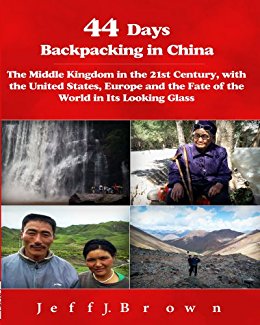
44 Days Backpacking in China: The Middle Kingdom in the 21st Century, with the United States, Europe and the Fate of the World in Its Looking Glass https://play.google.com/store/books/details?id=YBKHEAAAQBAJ
https://play.google.com/store/audiobooks/details?id=AQAAAECCkQXRlM
China Rising: Capitalist Roads, Socialist Destinations https://play.google.com/store/books/details?id=YNmLEAAAQBAJ
https://play.google.com/store/audiobooks/details?id=AQAAAECCfHo86M
BIG Red Book on China: Chinese History, Culture and Revolution
https://play.google.com/store/books/details?id=6Wl4EAAAQBAJ
https://play.google.com/store/audiobooks/details?id=AQAAAECCfHo86M
Amazon print and ebooks (Kindle):
44 Days Backpacking in China: The Middle Kingdom in the 21st Century, with the United States, Europe and the Fate of the World in Its Looking Glass
https://www.amazon.com/gp/product/1484939999/
China Rising: Capitalist Roads, Socialist Destinations
https://www.amazon.com/China-Rising-Capitalist-Socialist-Destinations/dp/0996487042
BIG Red Book on China: Chinese History, Culture and Revolution
https://www.amazon.com/BIG-Red-Book-China/dp/1673322719/
Author page:
https://www.amazon.com/Mr.-Jeff-J.-Brown/e/B00TX0TDDI
Praise for The China Trilogy:
Why and How China works: With a Mirror to Our Own History


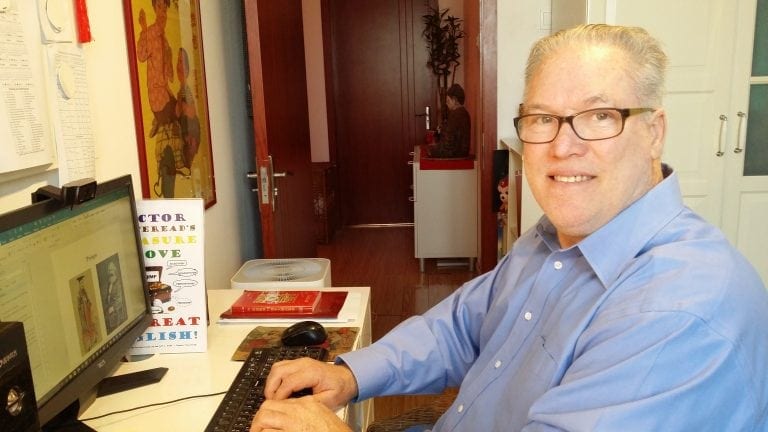
JEFF J. BROWN, Editor, China Rising, and Senior Editor & China Correspondent, Dispatch from Beijing, The Greanville Post
Jeff J. Brown is a geopolitical analyst, journalist, lecturer and the author of The China Trilogy. It consists of 44 Days Backpacking in China – The Middle Kingdom in the 21st Century, with the United States, Europe and the Fate of the World in Its Looking Glass (2013); Punto Press released China Rising – Capitalist Roads, Socialist Destinations (2016); and BIG Red Book on China (2020). As well, he published a textbook, Doctor WriteRead’s Treasure Trove to Great English (2015). Jeff is a Senior Editor & China Correspondent for The Greanville Post, where he keeps a column, Dispatch from Beijing and is a Global Opinion Leader at 21st Century. He also writes a column for The Saker, called the Moscow-Beijing Express. Jeff writes, interviews and podcasts on his own program, China Rising Radio Sinoland, which is also available on YouTube, Stitcher Radio, iTunes, Ivoox and RUvid. Guests have included Ramsey Clark, James Bradley, Moti Nissani, Godfree Roberts, Hiroyuki Hamada, The Saker and many others. [/su_spoiler]
Jeff can be reached at China Rising, [email protected], Facebook, Twitter, Wechat (+86-19806711824/Mr_Professor_Brown, and Line/Telegram/Whatsapp: +33-612458821.
Read it in your language • Lealo en su idioma • Lisez-le dans votre langue • Lies es in deniner Sprache • Прочитайте это на вашем языке • 用你的语言阅读
[google-translator]
Wechat group: search the phone number +8619806711824 or my ID, Mr_Professor_Brown, friend request and ask Jeff to join the China Rising Radio Sinoland Wechat group. He will add you as a member, so you can join in the ongoing discussion.
 I contribute to